
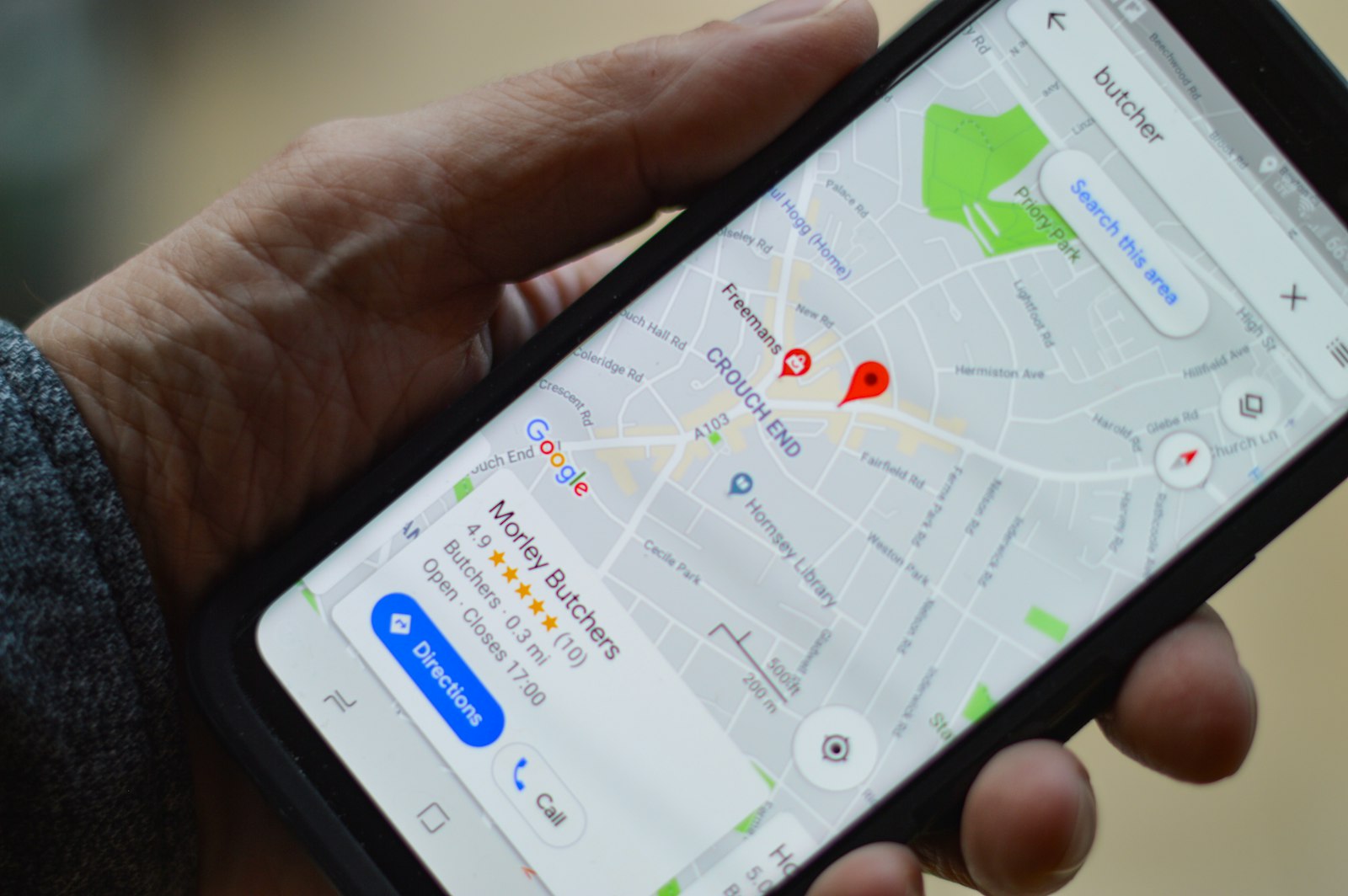
When someone searches for “dentist near me” or “best restaurant in Dubai Marina”, Google shows a map with three businesses at the top. That small section, often called the local pack, gets a huge share of clicks and calls. If your business is not in it, most local customers will never see you.
The good news is that local SEO is not magic. Google uses three main factors to rank local results: relevance (how well your business matches the search), distance (how close you are to the searcher) and prominence (how well known and trusted your business is). You cannot change your location, but you can improve almost everything else.
Use this local SEO checklist to cover the essentials.
Part 1: Google Business Profile
Your Google Business Profile is the single most important asset in local SEO. Get this right first.
1. Claim and verify your profile
Search for your business on Google and Google Maps. If a profile already exists, claim it. If not, create one and complete verification. An unverified profile is very hard to rank.
2. Choose the right primary category
Your primary category is one of the strongest relevance signals. Pick the most specific category that describes your core service, for example “Emergency Locksmith” rather than just “Locksmith” if that is your main business. Add relevant secondary categories, but do not add categories for services you do not offer.
3. Complete every section
Fill in your business description, opening hours, service areas, services or products, attributes and website link. A complete profile helps Google understand your business and helps customers choose you.
4. Upload real photos regularly
Add photos of your location, team, products and completed work. Real photos build trust and show that the business is active. Avoid using only stock images.
5. Publish Google Business Profile posts
Share offers, updates, events and recent projects as posts on your profile. Posts keep your listing fresh and give customers more reasons to contact you.
Part 2: Reviews and reputation
6. Ask every happy customer for a review
Reviews influence both rankings and conversions. Make it easy by sending a direct review link by WhatsApp, SMS or email after a job is complete. Never buy reviews or offer rewards for positive reviews, as this breaks Google’s policies.
7. Reply to every review
Thank customers for positive reviews and respond calmly and professionally to negative ones. Your replies are public, and potential customers read them to judge how you treat people.
8. Encourage detailed reviews
A review that mentions the service and location, such as “great AC repair in Jumeirah”, is far more helpful to future customers than a one-word rating. You can gently ask customers to mention what you helped them with.
Part 3: Your website
9. Keep your NAP consistent
NAP stands for Name, Address and Phone number. It should be exactly the same on your website, Google Business Profile and every directory listing. Inconsistent details confuse both Google and customers.
10. Create a page for each core service
Instead of listing every service on one page, create a dedicated page for each main service. Each page should explain the service clearly, mention the areas you serve and include a strong call to action.
11. Build location pages carefully
If you serve several cities or neighbourhoods, create location pages with genuinely useful, unique content for each area, such as local projects, testimonials and details. Avoid copying the same page and only changing the city name.
12. Add local business schema
LocalBusiness structured data helps search engines understand your business name, address, opening hours and contact details. It is a small technical step that supports everything else.
13. Make your site fast and mobile-friendly
Most local searches happen on mobile, often when people need help quickly. Your website should load fast, show your phone number and WhatsApp clearly, and make booking or calling easy with one tap.
Part 4: Citations and links
14. List your business on trusted directories
Add your business to relevant directories and industry platforms in your country, such as major business listing sites, industry associations and your local chamber of commerce. Focus on quality and accuracy, not hundreds of low-quality listings.
15. Earn local links and mentions
Links from local news sites, partners, suppliers, sponsorships and community organisations signal that your business is part of the local area. These links build the prominence that helps you outrank competitors.
How long does local SEO take?
Quick wins, such as fixing your Google Business Profile category or completing missing information, can make a difference within weeks. Building reviews, content and links is an ongoing process that compounds over months. The businesses that win in local search usually treat it as a habit, not a one-time project.
Get a free local SEO audit
Not sure why competitors appear above you on Google Maps? Our team at Dev Rankers can review your Google Business Profile, local rankings, reviews and citations, and give you a clear action plan.
Request your free local SEO audit or learn more about our local SEO services for businesses in the USA, UK and UAE.
Frequently asked questions
What is the most important local SEO ranking factor?
Your Google Business Profile has the biggest impact, especially your primary category, completeness, reviews and how relevant your business is to the search. Your website and citations support those signals.
Do I need a website for local SEO?
You can appear on Google Maps with only a Google Business Profile, but a good website makes it much easier to rank for more searches and to turn visitors into customers.
How many reviews do I need to rank?
There is no fixed number. What matters is earning reviews consistently over time and comparing favourably with the businesses ranking around you.
Can I rank in an area where I do not have an office?
Service-area businesses can rank in the areas they serve, but distance still matters. Strong reviews, relevant service pages and local links help you compete in nearby areas.